
This evening’s scheduled LUTC meeting is canceled. Next month’s LUTC meeting is scheduled for October 14 at 7pm.
Blog
How to Research Your Home and Understand Portland’s Built Environment
By Abby Morgan
As we see Portland change before our eyes, there is a number of proactive ways to invest in learning about and understanding the historic built environment through archives and community events this summer. Do you live or work in a historic property and want to know more about it? The opportunities to investigate are boundless, but below are just a couple of ways to get started.
National Register of Historic Places
A free resource offered and operated by the National Park Service since 1966, The National Register of Historic Places is a national program that recognizes districts, sites, structures and buildings of historical significance. Homes listed on the NRHP can be designated for many reasons including architectural design. Their digital archives are available for viewing, for free, online. Is your home listed on the NRHP? If the previous owner took the steps to list your property on the register, then you are already off to a great start with your research. All you will need to do is search your property address in their index. Each historic designation is accompanied by a nomination form that dives into the property’s history.
Not on the register but have a solid case to nominate your home? Start the process with NRHP or contact the City of Portland’s Planning and Sustainability Office about additional steps: 503-823-7700.
Oregon Historical Society- Address: 1200 SW Park Ave., Portland, OR 97205
Context will help your search. Cast a wide net by looking into census data, land and property records, et cetera before narrowing in on information about your property. Offered online or in-person, the Oregon Historical Society’s Davies Family Research Library is free and open to everyone. Make an appointment to visit their archives by emailing libreference at ohs dot org or calling 503-306-5240.
Multnomah County Library
Like OHS, Multnomah County Library has a wealth of resources at your disposal. Check out their compiled list of house history research tools or join in on a guided tutorial. On Wednesday, July 10th from 2-4pm, learn how to research your home through The Historical Oregonian at their Central Library Computer Learning Center (801 SW 10th Avenue, Portland, OR 97205). Free; class registration required. (https://multcolib.org/events)
Architectural Heritage Center – Address: 701 SE Grand Ave., Portland, OR 97214
The Architectural Heritage Center’s mission is to “preserve the historic character and livability of our built environment, and to promote sustainability through the re-use of period homes and buildings.” While AHC occasionally offers research workshops and lectures, their summer programming is filled with walking tours of Portland’s historic districts. Though city-wide, if you’re interested in exploring neighborhoods near the Eliot, AHC will host walking tours of the Historic Albina and Boise-Mississippi neighborhoods at the start and end of the season. Cost per tour is $20 for the general public and $12 for AHC members; registration required. (visitahc.org/walking-tours/)
Historic Albina Tour
Offered once or twice a year – check the website for future dates
The Boise & Mississippi Avenue Tour
August 17, 2019 from 10am-12pm
Livability Committee Makes an Impact – Clean and Green
By Karla Gostnell
The Eliot Livability Committee is proud of some updates we want to share with you.
Neighborhood Litter Pick-up: Thank you, neighborhood volunteers, for a successful Earth Day clean-up on April 20. We removed over 800 pounds of trash from our streets and sidewalks this time, with 35 volunteers showing up to help. Special thanks to Breadwinner Cycles & Cafe for lending their parking lot and keeping us caffeinated!
Trees, trees, trees!! This spring saw over 40 new street trees planted in Eliot as part of a small business grant from the Neighborhood Association, partnering with Friends of Trees and the Eliot Livability Team, as well as support from Toyota to tree-up their own property line on N.E. San Rafael. Trees are truly an investment in the beautification and livability of our neighborhood and we are so glad for the businesses that received new trees on their properties. If you notice young trees suffering from lack of water in the summer heat, please reach out to the Livability Team by email at livability at eliotneighborhood dot org.
Oregon Property Taxation 101
The earlier column “Taxed to Death? – Part 1 of 2” provided some history for how Eliot finds itself at the center of a policy debate about inequitable property tax payments by residents in newly “gentrified” areas and potential risks to us/them presented by some Legislative discussions. There was fear at the time the Legislature would make changes that would radically increase taxes in Eliot. That is not likely in this legislative session, but there is a proposal to revise how property taxes are levied that may have that result. The proposal hasn’t passed and just calls for a study to set the stage for that change. Because it hasn’t passed, Part 2 of “Taxed to Death” is postponed for now. Instead, this column provides a summary of the current assessment process. It also responds to a number of questions that have been asked about the prior column.
The State Department of Revenue is responsible for ensuring uniform taxation of properties in the state, although actual taxes are levied and collected at the county level. The guidelines for all counties are similar. Properties are assessed at “real market value” (RMV) using a common set of guidelines for property assessment; however, these are subject to adjustments by each county to reflect actual market conditions. That includes applying different criteria in different neighborhoods and in rural versus urban areas to capture market price trends. Property assessments are to be complete by September 25th each year and bills sent a month later. The tax year runs from July to July. The tax bill you receive in October is based on the Assessor’s estimate of RMV as of January 1st. So, if the Assessor calculated RMV for your neighborhood and your house in April, they adjust that value to what they believe it would have been on January 1. That establishes the RMV and for the tax bill in October. For structures without any modifications, “improvements” in tax language, this method is used for all comparable properties. A different method is used if improvements have been made after the previous tax year. As noted in the prior column, the property taxes that are due are subject to a tax cap established by Measure 50 in 1997, which was a Constitutional amendment and can’t be changed without a public vote. Measure 50 essentially froze the “tax assessed value” at the RMV in 1997, plus an allowed inflation adjustment. Properties that pre-date 1997 have their value (but not their taxes) capped as of 1997. The county is still required to reassess the RMV every year, it just can’t use the current RMV to calculate the tax bill, with one exception; if there are newly constructed “improvements.” New construction IS assessed at RMV; however, Measure 50 limits the “tax assessed value” to a fraction of that, roughly 60%.
There are two situations where a tax reassessment may occur. The first is when improvements are made to an existing structure, such as a new deck. The other is when a wholly new structure is added to an existing property. In the case of the new deck, the assessor estimates how much the new deck adds to the RMV and increases the value of the existing building by that amount. For example, assume your house has an RMV at $200,000 and the deck is estimated to add $50,000 to that. You will be taxed for an improvement of $50,000. Where this gets tricky is when the “assessed value” for tax purposed is wildly different than the RMV; namely, homes built prior to Measure 50. In that case, the “tax assessed value” of the existing home may be $50,000, in which case the new deck would increase it. Assuming a Measure 50 cap of 60%, to $80,000 and nearly double the amount of taxes owed. The same is true for a wholly new structure, such as an ADU.
For new construction, the assessor will probably use a “cost” method to calculate the RMV. In other words, how much it cost to build the structure rather than its market value. The state provides cost guidance so this estimate is uniform across all new structures (with local cost adjustments). Returning to the example above, if a new ADU valued at $200,000 is added to the property instead of the $50,000 deck, the new assessed value will be $170,000 ($50,000 for the Measure 50 assessed value of the existing building plus 60% of the new $200,000 ADU; another $120,000). The new tax bill will be over 3 times the previous bill.
New construction presents a taxation challenge to both the assessor and the taxpayer; you. Recall that assessed values are based on the situation on January 1st. If construction began in June, there would be no improvements as of January 1, since construction hadn’t begun. So your October tax bill wouldn’t reflect the new addition. If the ADU is completed within the calendar year, its value would be added in the next year, and show up in the tax bill in the next October, over a year after construction began. If construction takes 12-months or is spread across two years, this process also extends two years. In that case, the assessed value during first July-to-July tax year is based on the value of the structure as it was on January 1 of the next calendar year. For a project started in June, that would be what was completed over the 6 previous months; an amount less than the value of the finished project. Assuming it is only 50% complete, the new assessed value would be half the value of the completed project. In our example, that would be $100,000 (of the $200,000 total cost) and would be reflected in the October tax bill the year after construction started. Once the project is finished, the value the would be assessed at the full $200,000, but that wouldn’t show up until the next calendar year’s tax bill, because it won’t be until that tax year that the project will be complete as of January 1st. This lag in tax billing surprises many taxpayers as the see jumps in their taxes over multiple years; nothing in the year construction begins, a jump in the next year when construction is complete, and then yet another jump a year after the project finished. This last adjustment usually catches people by surprise.
Assessors monitor improvements to existing structures and land through building permits, site visits, record checks, and notices from the population, say a neighbor. Untaxed improvements, called “omitted records,” result when discrepancies are found between the assessor’s records and field inspections. This can happen when construction was done without permits; however, all construction doesn’t require permits. It can also happen through errors in communication of construction activity between permit authorities and the county and mistakes in the assessment. In those cases, the assessor has the right to reassess RMV for the 5 prior tax years. When that occurs, the taxpayer is sent a notice that provides 20-days to correct an erroneous record. A corrected assessment, including a bill for the 5-years owed, will follow. The taxpayer has a limited time to appeal the assessment, as it can for any tax bill. One problem with property taxation is that it is unlike income or sales taxes. We are used to the income tax process where we self-report our income and taxes and the IRS is responsible for any audits and tax adjustments after the fact. In the case of property taxes, the Assessor sets the tax amount and the property owner is responsible for verifying it is correct, and appealing if they feel it is not. In other words, property owners play the role of “tax auditor” to the assessor, which is just the reverse of what we know from income taxes.
Eliot Sewer and Stormwater Project Update

By Matthew Gough
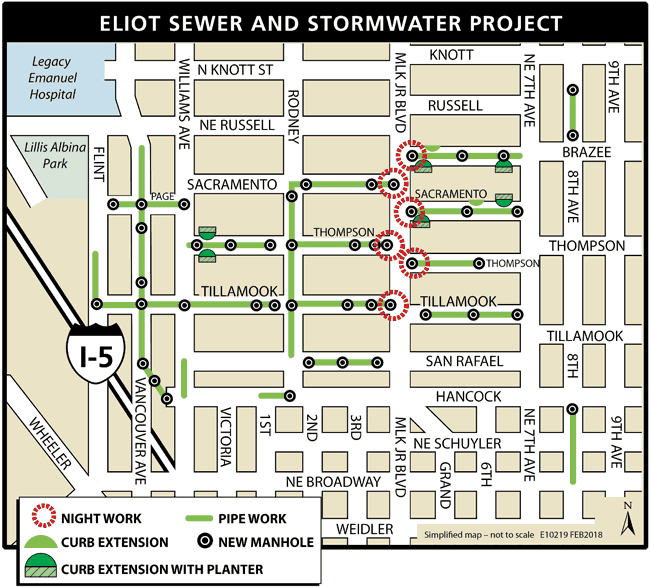
In July or early August of this year, Environmental Services will complete a project to replace or repair approximately 10,000 feet of public sewer pipes in the southern part of the Eliot Neighborhood. These pipes are deteriorating due to age or are undersized for the sewer and stormwater flows in this area. The oldest pipe being replaced is 115 years old.
The project also includes constructing eight green street planters on public streets in key locations. These green street planters will divert 1.9 million gallons of stormwater annually from the sewer system, helping reduce the possibility of overflows into the river, basement backups, and street flooding during periods of heavy rains.
These improvements will help protect public health, property and our environment by reducing the possibility of sewage releases into streets, homes and businesses.
To learn more about the project, where crews are currently working, or to sign up for email updates, visit www.portlandoregon.gov/bes/Eliot. You may also contact Matt Gough, Community Outreach for City of Portland Environmental Services at (503) 823-5352 or Matthew.Gough@portlandoregon.gov.
Thank you for your patience during this important work.
Not Everyone Gets a Trophy

By Ruth Eddy

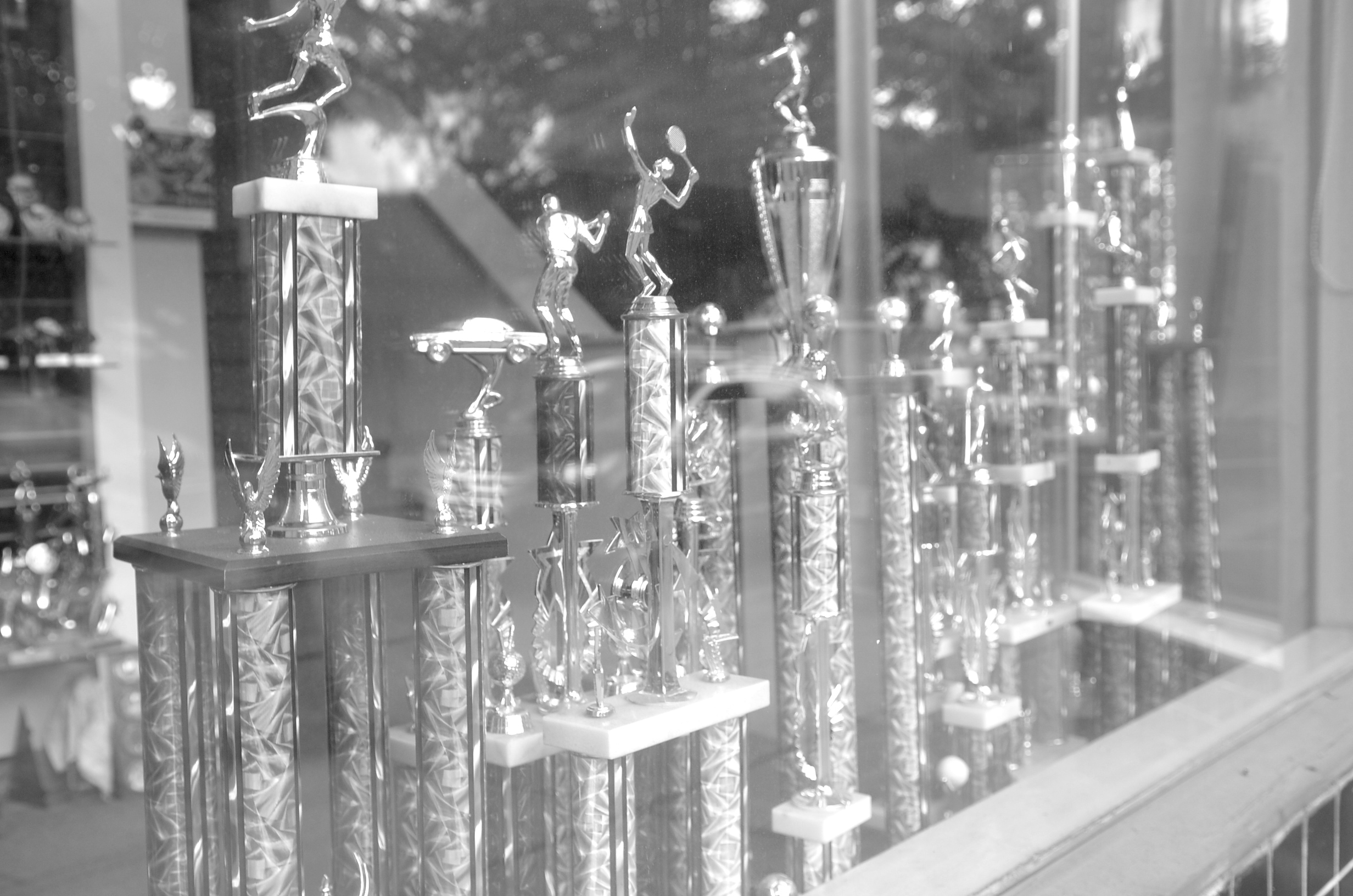


Gold, silver, blue, purple plastic pillars, and crystal bowls glisten in large corner windows on Martin Luther King Jr. Blvd, and Brazee Street. The Bardy Trophy showroom is hard to miss, but the business’s production goes mostly unseen and it’s legacy goes back 95 years.
Walter Bardy, Sr. began the business in the niche market of hand engraving silver and metal awards. The current owner, Greg Gruszczynski, knew nothing about the trophy industry when he answered a help wanted sign at Bardy, then located at 15th and Broadway. “I sandblasted glass, built trophies, put plaques together, and magnets of the back of name tags. I did it all,” said Gruszcynski. He liked working with his hands, living close to his job, and the sense of completion that came with each order. When the Bardy brothers were ready to retire, they sold the business to Greg and two other employees. For the past 15 years, he has been the sole owner.
When people ask what he does, Greg says he “makes people happy.” Clients want to show their appreciation with a variety of products, not just trophies. The business includes custom apparel, keychains, clocks, thermoses, and chairs. Offices’ walls have transformed into cubicles and company logo jackets have replaced walnut plaques, but the message is the same. Greg knows that “It’s this mutual respect and admiration that you don’t always use words for. It’s a way of substituting words – to give somebody something and hope that translates into ‘I mean something to you’.”
As a business owner, Greg opts to bring donuts to show his employees he appreciates them rather than plaques. As a business, Bardy Trophy has a few trophies of its own, celebrating its contributions to its community both locally and in the trophy industry. A framed Trail Blazers jersey with the name Bardy on its back hangs their showroom, a gift from a repeat customer within the Trail Blazers organization. 95% of all orders come from Portland.
Trophies are symbols of the values people have and a way to reinforce those values. Bardy Trophy is about making literal trophies as much as it is about helping customers celebrating milestones, recognizing accomplishments and making people feel worthwhile. Sometimes a handwritten card can send the message, but Bardy Trophy is for when you need something shiny to do the trick.
Portland Open Studios Provides a Peak Inside Northeast Studios

By Joanie Krug
Portland Open Studios creates a unique educational opportunity for the public to witness art in the making, and learn about media, materials and the business of creative endeavor. Through this interaction, Portland Open Studios creates a platform for local artists to thrive, engage and foster a community that values the arts.
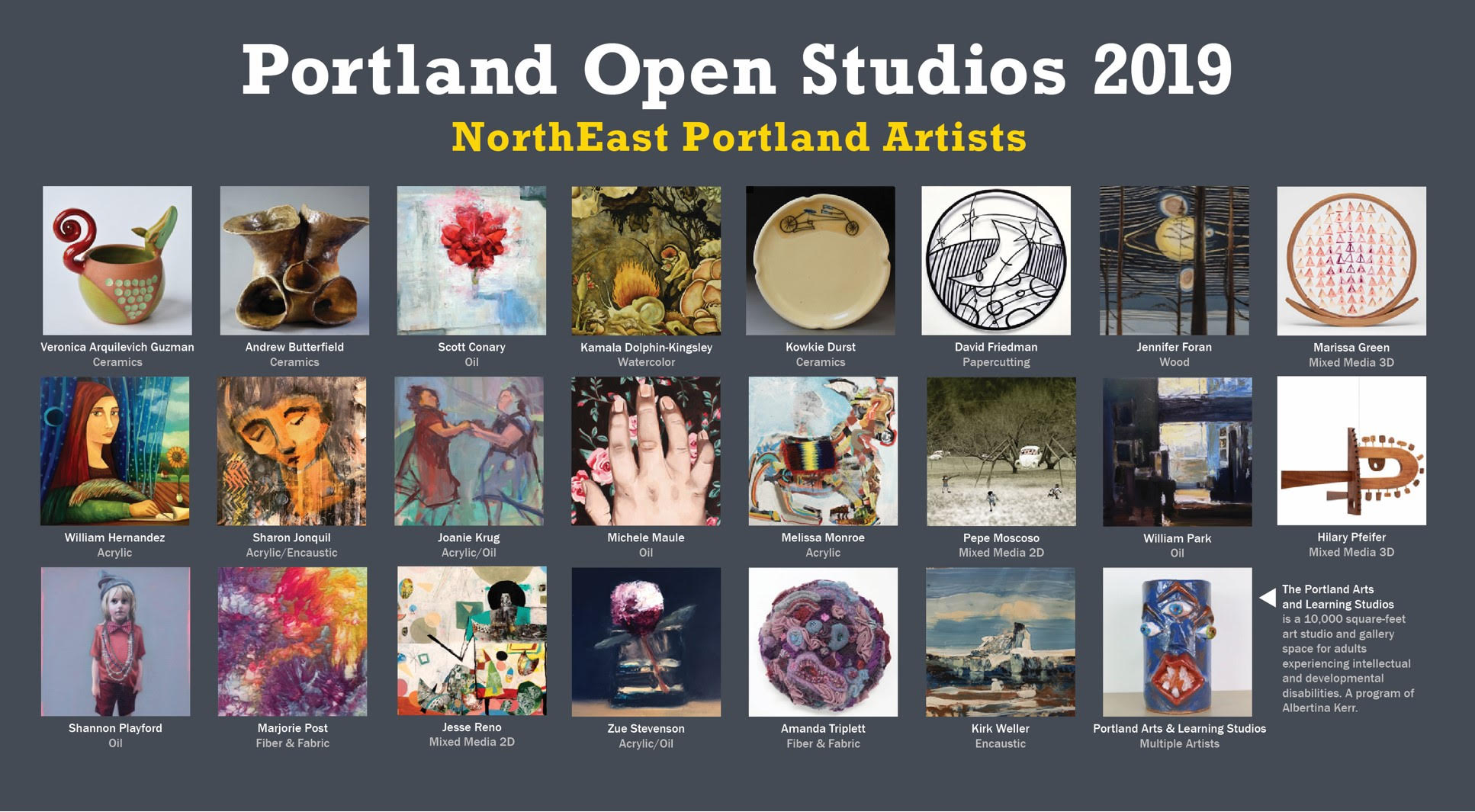
This year, out of the total 118 citywide individuals selected, the juried group of artists includes 22 Northeast Portland artists whose studios will be open to the public. The work includes painting, ceramics, sculpture, photography, mixed media and jewelry. The NE Open Studios community has also invited artists who participate in the Portland Art and Learning Center to take part in this event.
Dates and times are the weekends of October 12-13, and October 19-20. Hours are 10am to 5pm for each of the four days.
Look soon for the free official Open Studio map guide available all over the Portland metro area! There will also be a NE Community card with a group map available throughout the neighborhood.
Portland Open Studios will also be convening a meeting of our community artists on August 28 at the Portland Art and Learning Center, 4852 NE MLK Blvd at 6:30 if you’d like to attend to meet some of the artists and chat further about individual work and the overall event.
Diversity Community Gardening Co-Op at St Philip the Deacon Church

By Shireen Hasan
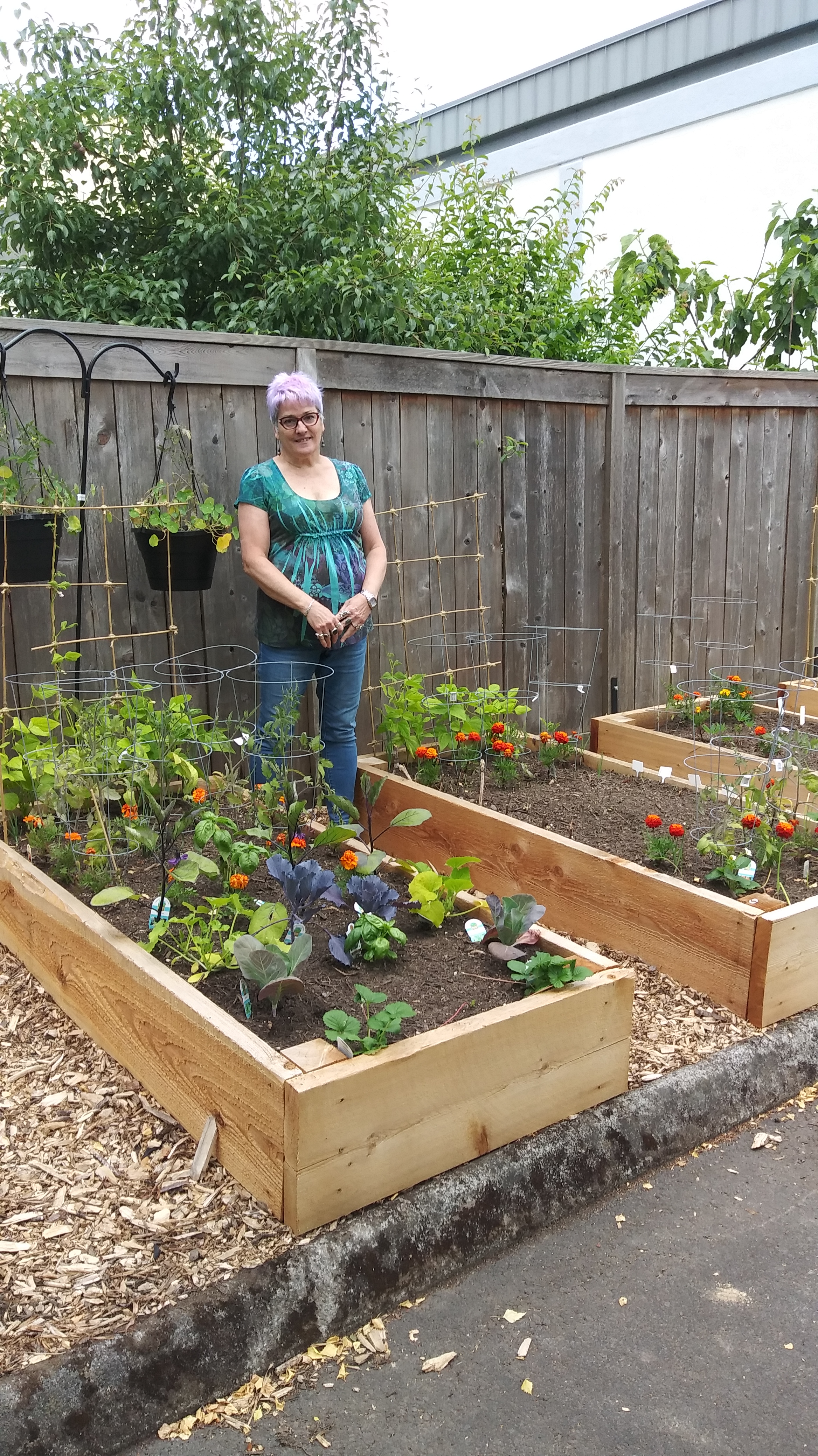
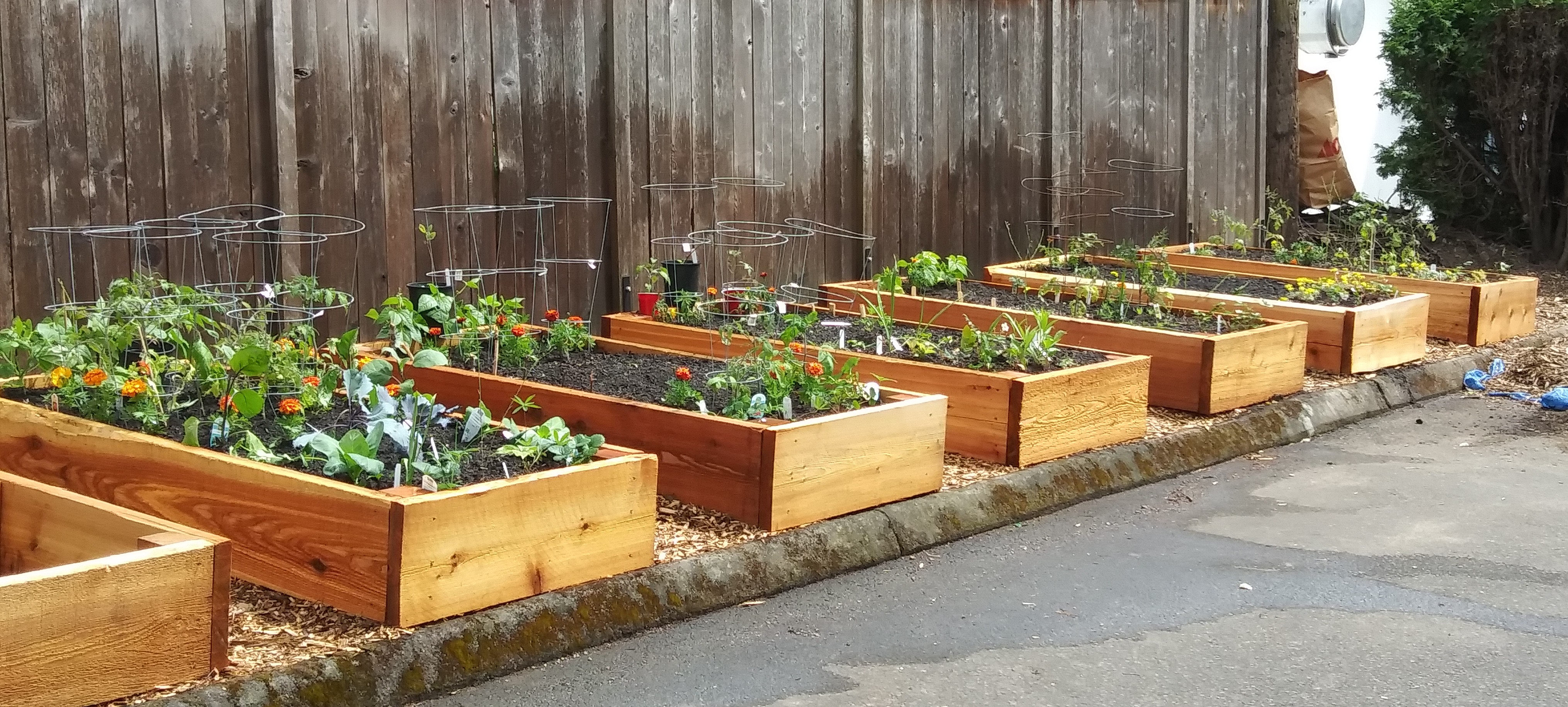
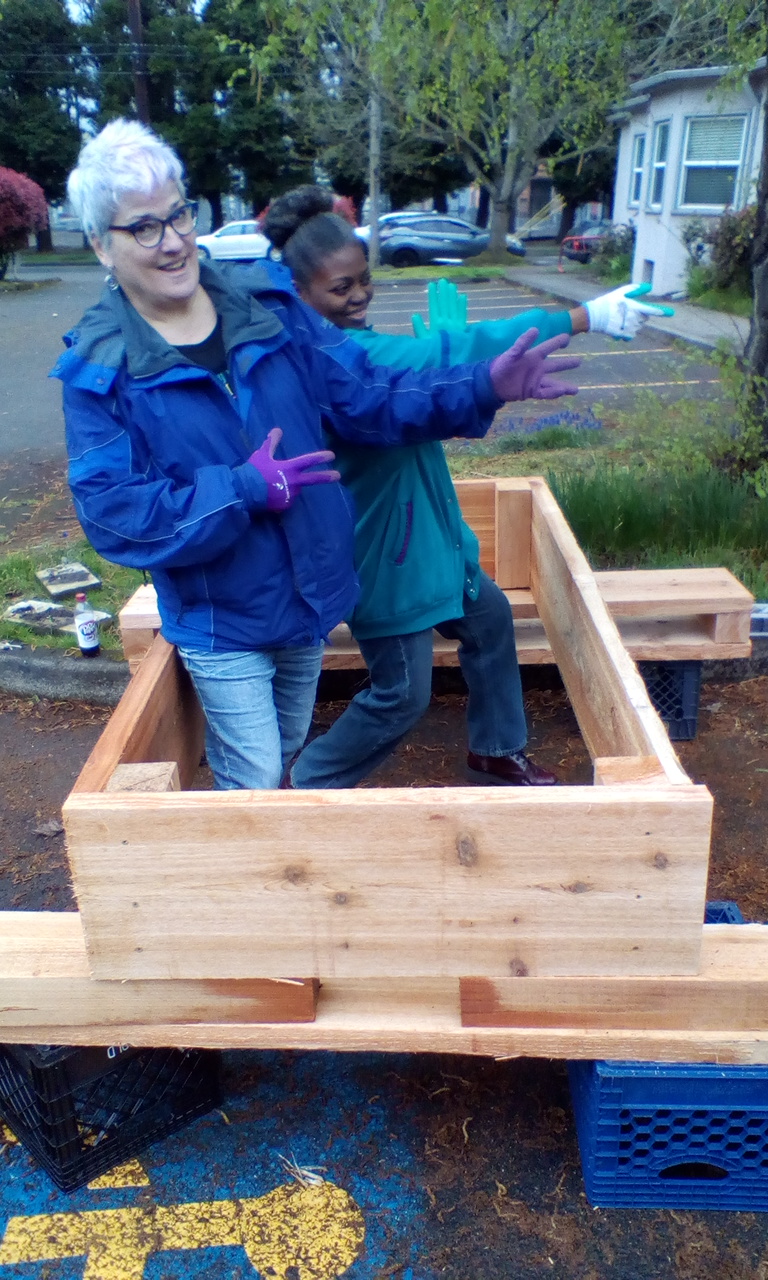
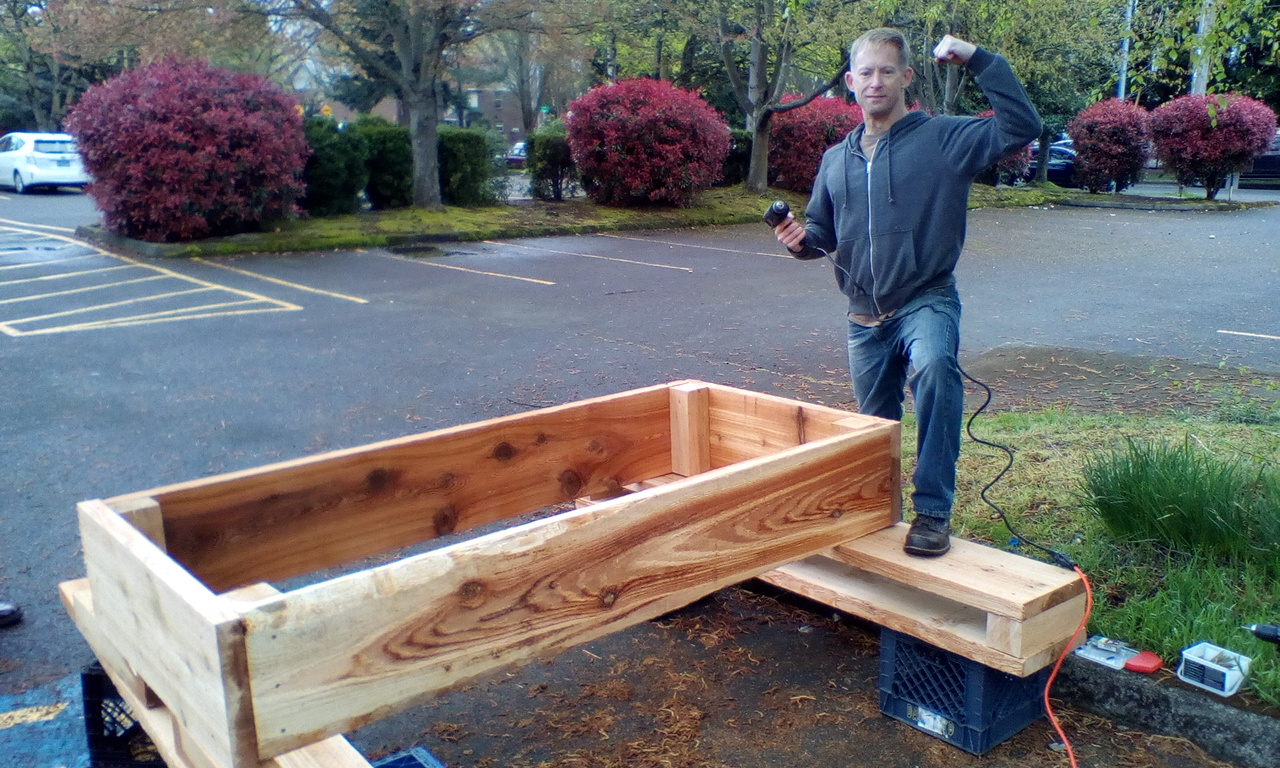
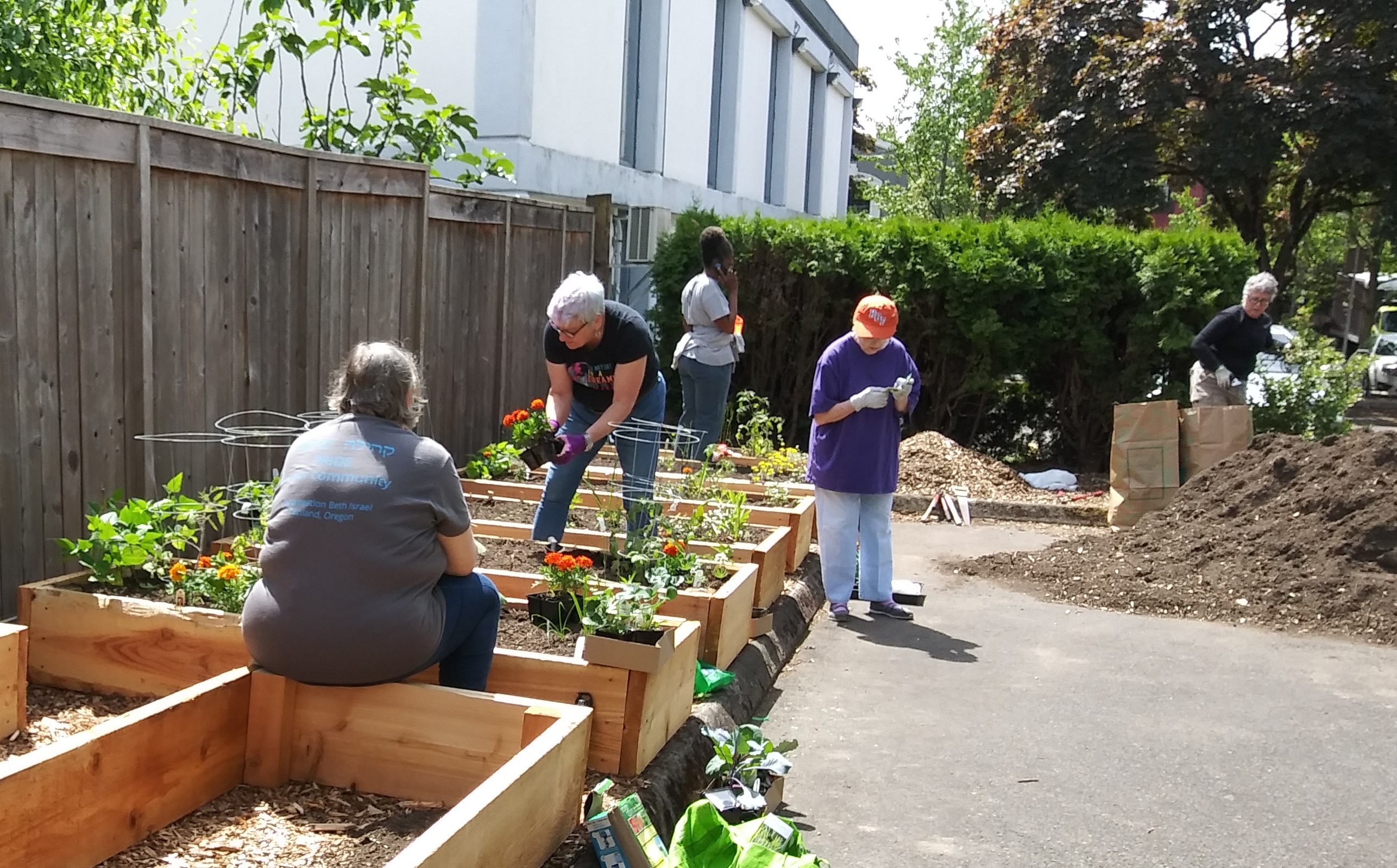
Gardening at St. Philip the Deacon Church is in swing. People walking by are stopping to take a peek at what is going on behind this historic church. Community volunteers have rolled up their sleeves to bring this amazing opportunity into fruition for the community; from planting seeds and starters, native plants, flowers, and watering, to laying bark chips, soil/compost, and building. Thank you to all the community participants, local residents of Eliot neighborhood, church members, and local organizations who have supported this initiative by donating hoses, plants, compost, starters, and other resources, supplies, and also monetary contributions to grow the community gardening initiative to feed the community! Special thanks to Bellagio’s Pizza for donating massive amounts of delicious pizza to our garden party held on May 4, 2019! My stomach still hurts!
The team has so far built several garden beds for diverse community participation (African Americans, houseless, veterans, church members, youth, and low-income individuals).
Work is being done around the church property to beautify the environment and ‘raise the vibration’. The Co-op is in conversation with Zenger Farms to bring in their farm’s extra harvest to allow folks complimentary access to healthy fruits, and vegetables at the church location.
The initiative had suffered some setback and in moving forward to overcome a few barriers we are asking for the community’s continued support, contributions, and labor assistance to build an accessible garden bed for folks with disabilities who otherwise would not have access to gardening opportunities.
We are also asking for a donation of a nice bench for the upcoming meditation area that will be designed for the church. In addition, we are looking for experienced or well-versed African American artists to work in collaboration with Reverend Maria, and current member artist, Su(e) Diyg, to preserve the memory of North/Northeast Portland’s African American diaspora by creating visual art for all to see and remember.
Come join in with gardening fun, starting every Saturday in July from 11AM-1PM to continue the expansion of community gardening to feed the community and to add a nice, new makeover to the church grounds in the months to come!
For more information email the coordinator, Shireen: at shihas_2005 at yahoo dot com.
Beer, Tamales, and Coffee: A Perfect Recipe of Collaboration

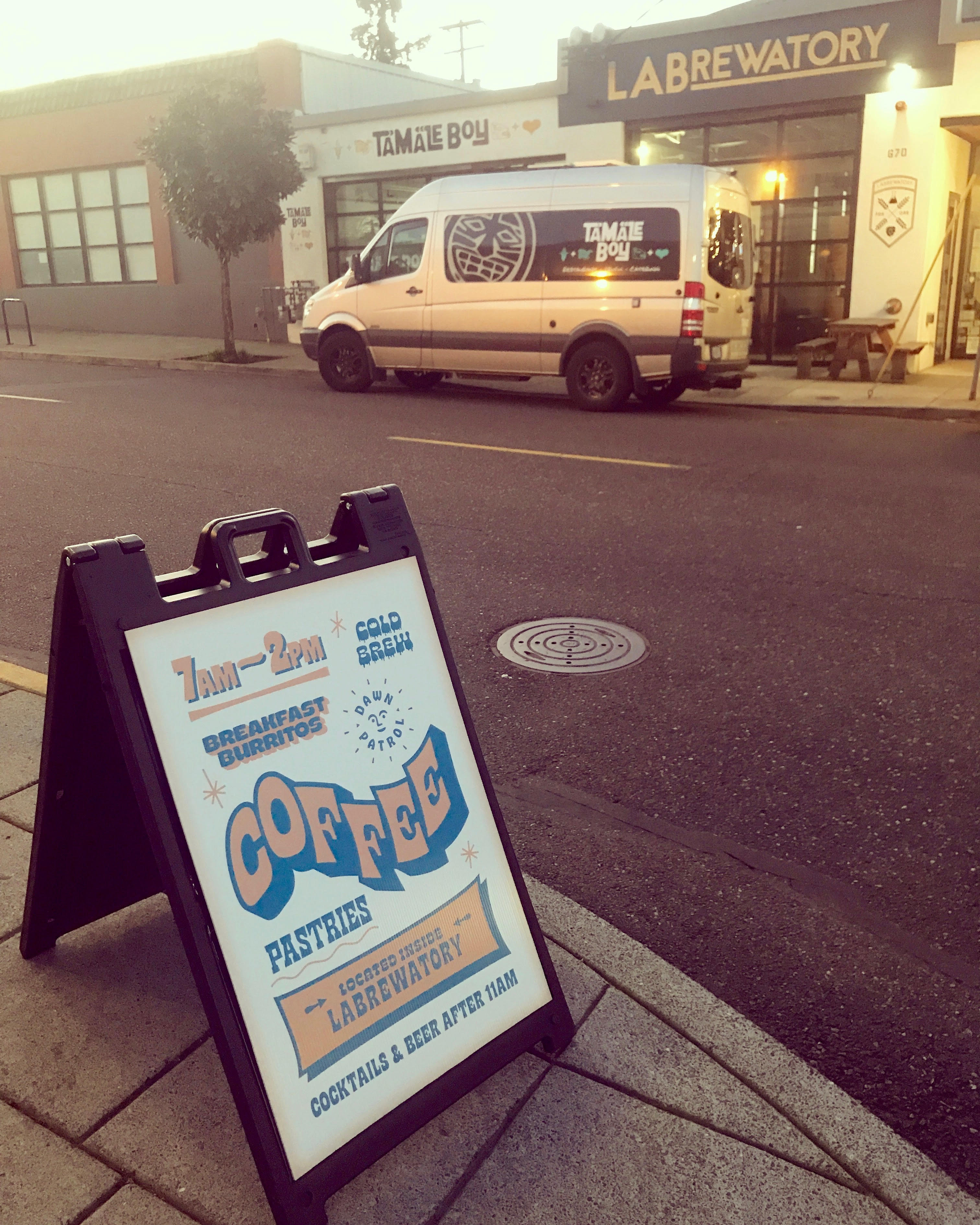
“This town is about collaboration,” says Thad Fisco, owner of Portland Kettle Works and Portland’s craft beer lab, Labrewatory. In 2015, Labrewatory opened in Lower Albina with Thad purchasing the building at 670 N Russell Street, a few blocks north of Interstate, and it has been the definition of collaboration in every sense of the word. Brewers from around the city come together to create beers which are creative and delicious. For the first couple of years, beer was the headliner at this storage facility turned brewery. That is changing now.
In 2011, Portland Kettle Works designed a new brew system and brewers immediately started placing orders. Craft beer, it turns out, was the one part of the economy that was doing well during the recession. Sales have continued and their brewing systems are now in over 250 breweries worldwide and going strong.
Now Portland Kettle Works was off and running and they had a building to house equipment. Thad says that “we decided to open a brewery of our own because we were very active in putting breweries into business but hadn’t started our own yet and so we kind of looked at it as a challenge and a learning experience so we could be more informed about what we were selling to people. What an experience it has been!”
“Now we get to start doing some new things down here!” says Rachel Wilson, owner of Dawn Patrol Coffee and brewery manager. “At the beginning of the year, we added the coffee shop and extended our hours.” Dawn Patrol operates at Labrewatory in the morning hours from 7:00 am to 2:00 pm. Tamale Boy started providing burritos in the morning starting at 8:30 am and beer can be sold any time of day. “We also have different beer and coffee cocktails and growlers to go,” Rachel adds. Rachel has also taken on distribution selling kegs of La Brewatory’s beer to different restaurants and bars like Loyal Legion.
Rachel continues, “We really started focusing on community events. We’re trying to bring in a different crowd of people and having the neighborhood have a place to meet. There are many different events and groups that meet at Labrewatory such as a moms club and the NoPo running club. There is even a $1 neighborhood discount for those customers who live or work in the neighborhood.”
“On Tuesdays, there is a new beer release. At 5:00 people come in and we’ll put a new beer on tap and Nick, our brewer, will take those (who have purchased a tour ticket) around and then they get their t-shirt. And there’s live music between 6 pm and 8 pm,” Rachel explains.
Labrewatory hosted a Smash festival celebrating the 100th brewed beer and tied in a nonprofit to work with, which was Special Olympics. In July they hosted a “Go Fund Me” for a friend of Rachel’s who had a climbing accident. Soon, on August 17th, there will be an S’mores event, called Mighty Clementine, designed by a customer’s daughter, Clementine, who recently has recovered from an aneurysm. She chose the nonprofit, Randall Children’s Hospital Pediatric Development and Rehabilitation Fund, and also will choose the flavors of the s’mores.
In addition, there are the classes that both La Brewatory and Tamale Boy offer. Classes are offered to all of the Portland Kettle Works clients. They get all of La Brewatory’s operating procedures for the front of the house, operating procedures for the brewery and get to see financial analysis. It gives the new brewery owners an idea on how to operate their business.
Jaime Soltero, Jr., owner of Tamale Boy, says, “Our philosophy is to always be training and always be evolving and getting people situated, getting their brains right and their work ethic right and let them go and explore themselves. We work with a couple of organizations that come and prep and train here so that they can get them back into the workforce. We have a person that actually went blind that used to work in the kitchen and we have gotten him back in the kitchen. That helps us also really think about what we’re doing and how we go about things. It’s a humbling experience for sure. That’s just one of the programs. We also support our community with gift certificates, fundraisers, and whatever we can do.”
The collaboration has been good for all three businesses. Thad says, “When Jaime came in with Tamale Boy our beer sales increased 30% when they opened their doors. That’s one thing we teach people. If you don’t have food you’re basically cutting yourself off at the knees. So you have to have some way to serve food and the better the food the better. So it’s been a great partnership.”
Jaime agrees, “It actually it worked out perfectly because at that time I was looking to expand to a commissary kitchen because where I started off at Dekum (first location of Tamale Boy) it was super small and we were already saturated. Summers we were packed to the gills and we needed more space. Thad got wind of me and we got started and it’s the perfect marriage. We don’t have to worry about anything in the dining room.”
“It’s really interesting,” Thad says, “that’s the part of overhead that a restaurant hates, is the dining room, but that’s the part that we want – for people to hang out and drink beer. We tell a lot of clients if you can lease the kitchen out and keep the people in the dining area drinking beer as long as you can…”
“And coffee!” Rachel chimes in. “It IS the perfect marriage!”
Rachel says, “The fun thing is that with this space we can have all these people that want to have an event and Labrewatory can offer the beer, Tamale Boy supplies the food and then there is a different kind of profit without having to rent an event space so more of the proceeds can go to the business holding the event.”
With any business and especially with this unique collaboration there are going to challenges and surprises. Jaime says, “We’re always adjusting- we’re learning together. Everybody’s strengths we pull in together and learn from each other.” Thad says, thinking about the challenges, the important thing is, “Keeping Rachel! Plus, without this (La Brewatory) I wouldn’t have been able to grow my business and without Jaime, I wouldn’t have had food to offer. We push the edge to find new revenue streams and are backed by Portland Kettle Works so we can take risks.”
Lastly, Rachel says, “It’s fun!” She is learning about the financial side of a business, managing skills, and is challenged to find new businesses with items that are needing distribution to offer at the taproom, as well as trying to scale cold brew coffee which will be on one of the taps at the brewery.
The classes that are offered by Thad and Jaime help pop-ups which in turn are helping our community become stronger and offer diverse food and beverages to all of the Portland metro area.
So if you have an inkling to start a brewery or restaurant, check in with this successful team on North Russell. Collaboration is the name of the game and to sum it up, referring to the old television sit-com, Jaime says, “We’re very tight here. We’re very three’s company.”
Upcoming Event:
Mighty Clementine
Saturday, August 17, 12-5 pm
Benefit for Randall Children’s Hospital Pediatric Development and Rehabilitation Fund
For more information:
Labrewatory/Dawn Patrol Coffee
670 N Russell St
Hours: Monday to Friday Open 7 am, Saturday and Sunday Open 9 am, closing times vary
Contact: 971-271-8151, www.labrewatory.com
Tamale Boy
668 N Russell St
Hours Monday – Sunday Open 11 am, closing times vary
Contact: 503-477-6706, www.tamaleboy.com
Free for All Summer Concert and Movie in the Park

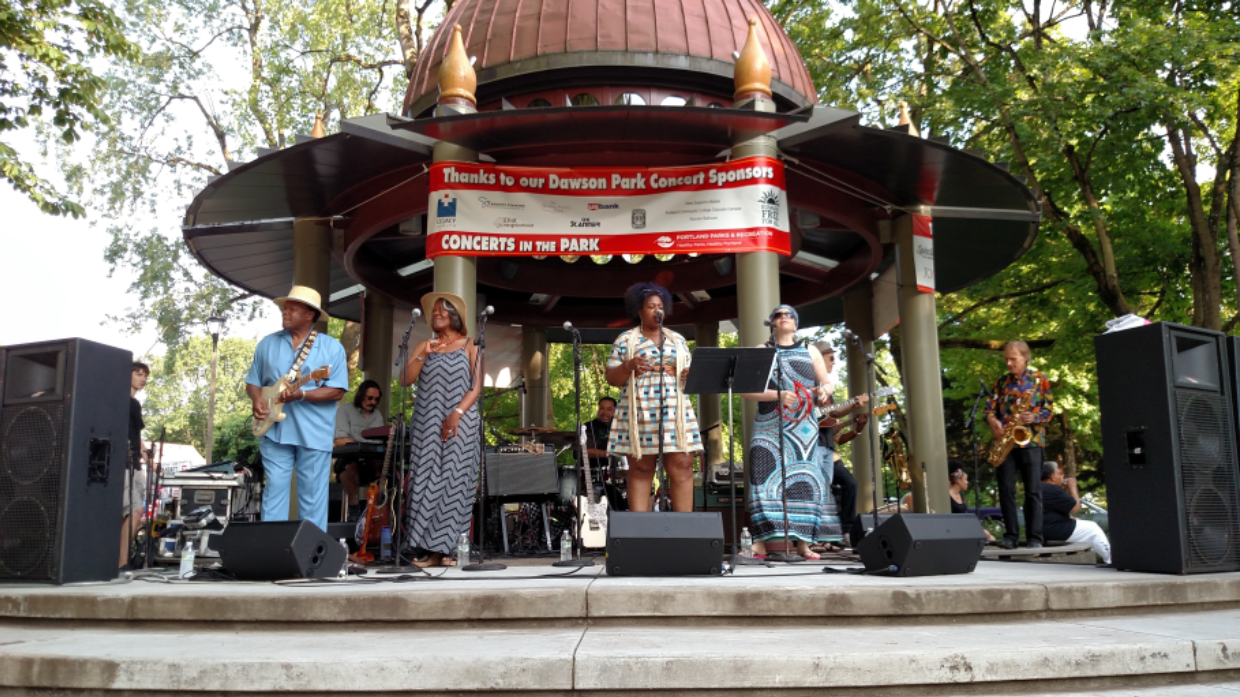
It’s that time again and Black Parent Initiative (BPI) has teamed up with Portland Parks & Recreation to bring you another amazing fun filled event. On Friday, August 16, 2019, we will be hosting Movie in the Park in collaboration with Portland Parks & Recreation’s Summer Free for All. Similar to last year’s concert series, but all tied into a one-day spectacular event. BPI will also be celebrating another successful year in services to the community by adding elements of our Family Fun Day.
We have the pleasure of bringing you a host of activities including:
♦ Portland Trail Blazers Basketball Clinics
♦ Nike “Made to Play” Activity Van
♦ Bouncin Bins Bounce House
♦ Mystique’s Fancy Faces Face Painting
♦ PACKY Academy Arts & Crafts
♦ SMART Book Give Away
♦ Eliot Neighborhood Association Domino Tournament
♦ Portland Children’s Museum
♦ And many more
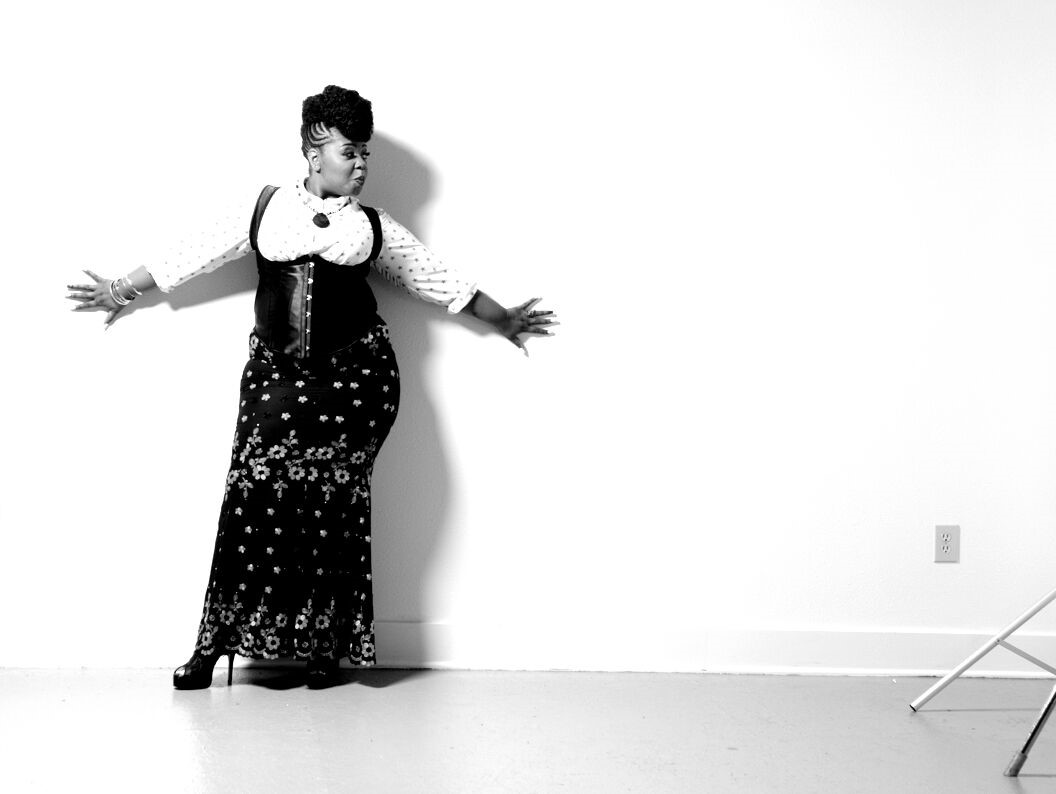
The event will start at 4 pm with activities going until about 7 pm. As a part of the Movie in the Park there will be a concert at 6:30 pm featuring Mz. Etta’s World, followed by a showing of Captain Marvel when it gets dark!
Food trucks on site include Hana’s Authentic New Orleans Snowballs and Stoopid Burger.
There will be tons of giveaways, drawings, and resources! Make sure you join us as we celebrate community, music, and movies! This will be fun for the entire family.
Friday, August 16, 2019
4pm
Dawson Park
(corner Stanton & N Williams)
For more information or to become a sponsor please contact leigh dot bohannon at thebpi dot org.
For the full schedule of Summer Free For All Concerts and Movies in the Park visit:
https://www.portlandoregon.gov/parks/69554
By Leigh Bohannon
Sponsored by:








Amazing Mid-City Oasis Offers Food and Wellness Center

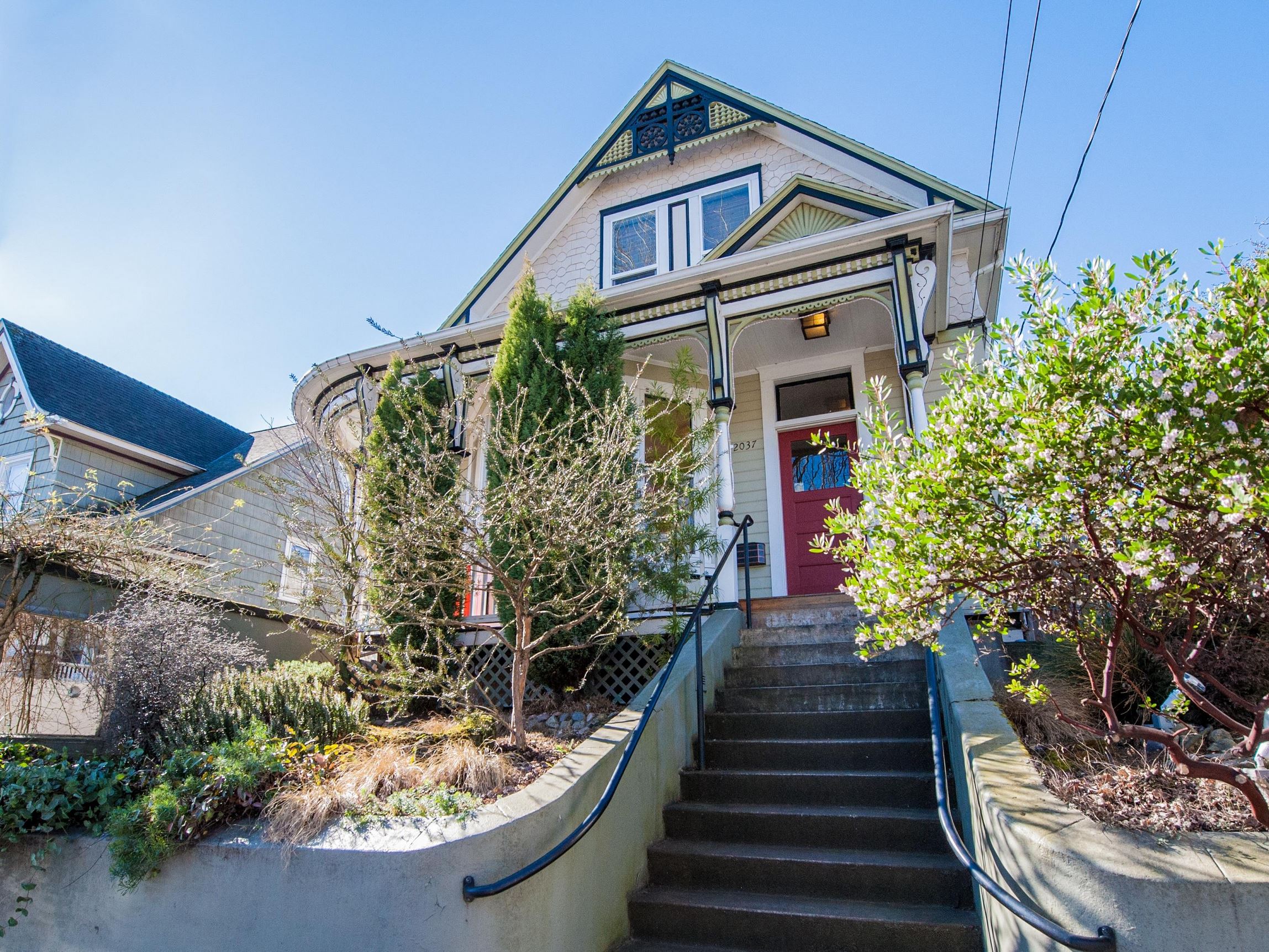

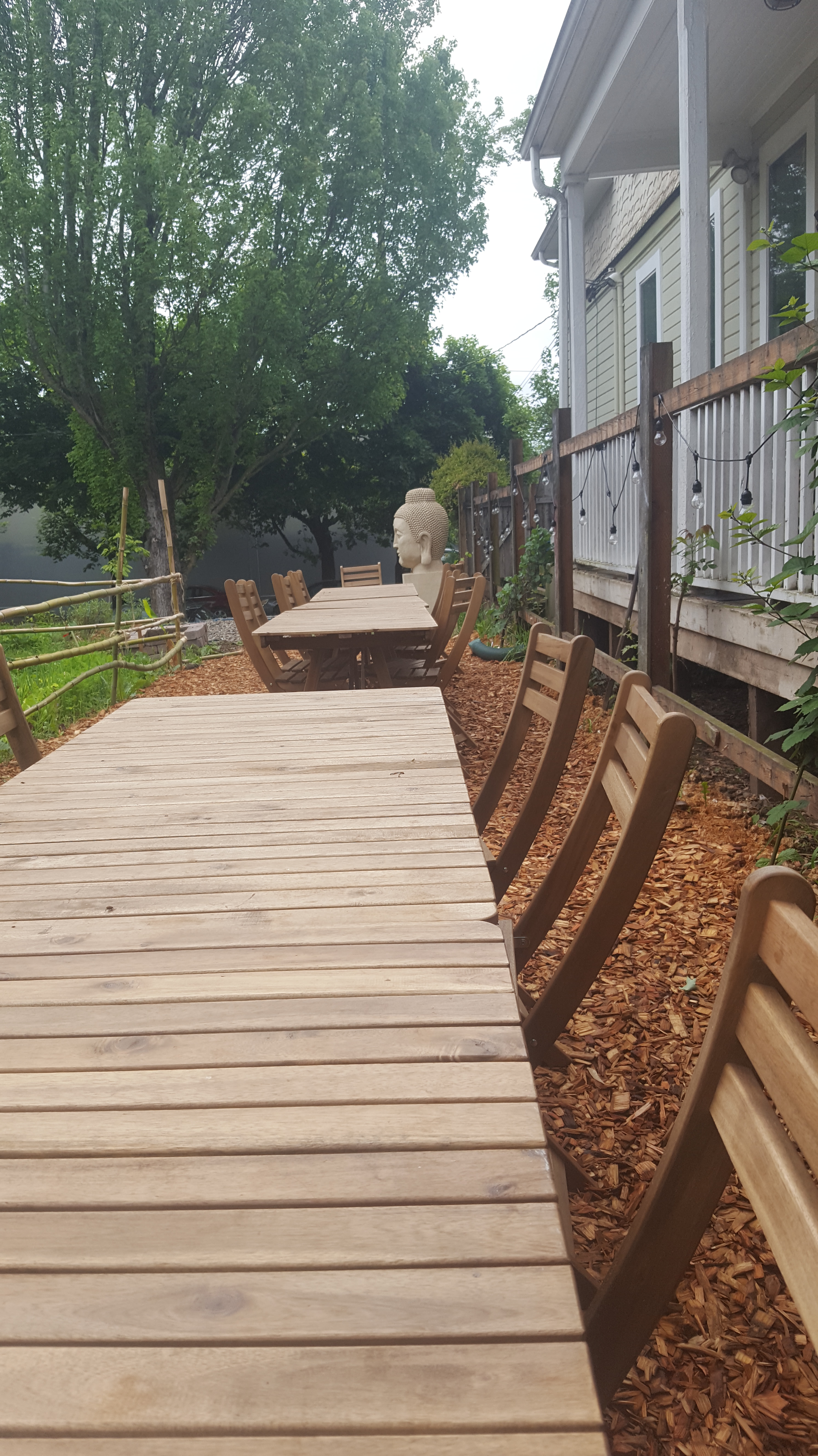
The sun is shining and I hear the cheerful sound of voices and the percussive chime of tools being used in the garden as I walk up to the 126-year-old Victorian home behind the Billy Webb Elks Lodge just south of Tillamook on Williams. I realize that today is going to be a good day of community building. The peaceful feeling I experience is overwhelming as I enter the house looking for the owners of the new business in our Eliot neighborhood. This space is definitely an oasis in the center of the city and in the middle of our neighborhood. Though it sits on busy North Williams Ave, once inside the house and even on the surrounding lot, you forget that there is a bustling world beyond its borders. As I introduce myself to the business owners, a group of women and children arrive happily chatting amongst themselves. We all exchange introductions and then my tour of the property begins.
Oasis of Change is the dream turned the reality of Dov Judd and Kathryn Cannon. Dov, a certified Play Therapist, had been a pediatric therapy practice owner for 10 years. His wife, Kathryn was working as a peer to peer support specialist. They dreamed of creating a space where the focus could be on health, nutrition, community and giving back to their neighborhood.
Dov and Kathryn both grew up on the east coast but Kathryn had spent some time on the west coast. They needed to find a location with enough water, a space to grow food and people to share their vision of health care of the future. Oregon seemed to be the perfect fit. After spending last summer in Dallas, Oregon learning how to farm organically, they decided to look in Portland for the right location for their venture.
Their real estate agent brought them to 2037 N Williams and Dov couldn’t believe how it perfectly embodied the space he had been imagining. The beautiful Victorian house will offer space for medical practitioners on the top floor with the main floor serving as a welcome area with large rooms for group therapy, classes, and an art gallery. The spacious kitchen will be the perfect place for a food lab and teaching kitchen as well as a pop-up restaurant for chefs to create healthy meals for guests. The basement will have a commercial kitchen specifically for baking. Dov and Kathryn also will be able to offer Farm to Table experience dinners for guests on weekend nights for an extremely reasonable fee. Live music is a frequent occurrence which is, of course, the perfect accompaniment to garden fresh food and delectable locally sourced ingredients. Guests can stroll the garden and grounds taking in the amazing space that Dov and Kathryn are creating.
In the middle of the amazing garden tour, a couple arrives bearing tempeh for Dov and Kathryn to try. I was fortunate enough to be invited to stay for lunch and enjoy the sautéed tempeh which was incredibly delicious. Also in attendance is Modern Cavegirl who has a pop-up restaurant onsite occasionally for Saturday breakfast. Other chefs offer pop up dinners. (See the short article about Hearts & Bones Kitchen on page 8) The amount of networking that Dov and Kathryn have done just since April when they opened the doors to Oasis of Change is impressive!
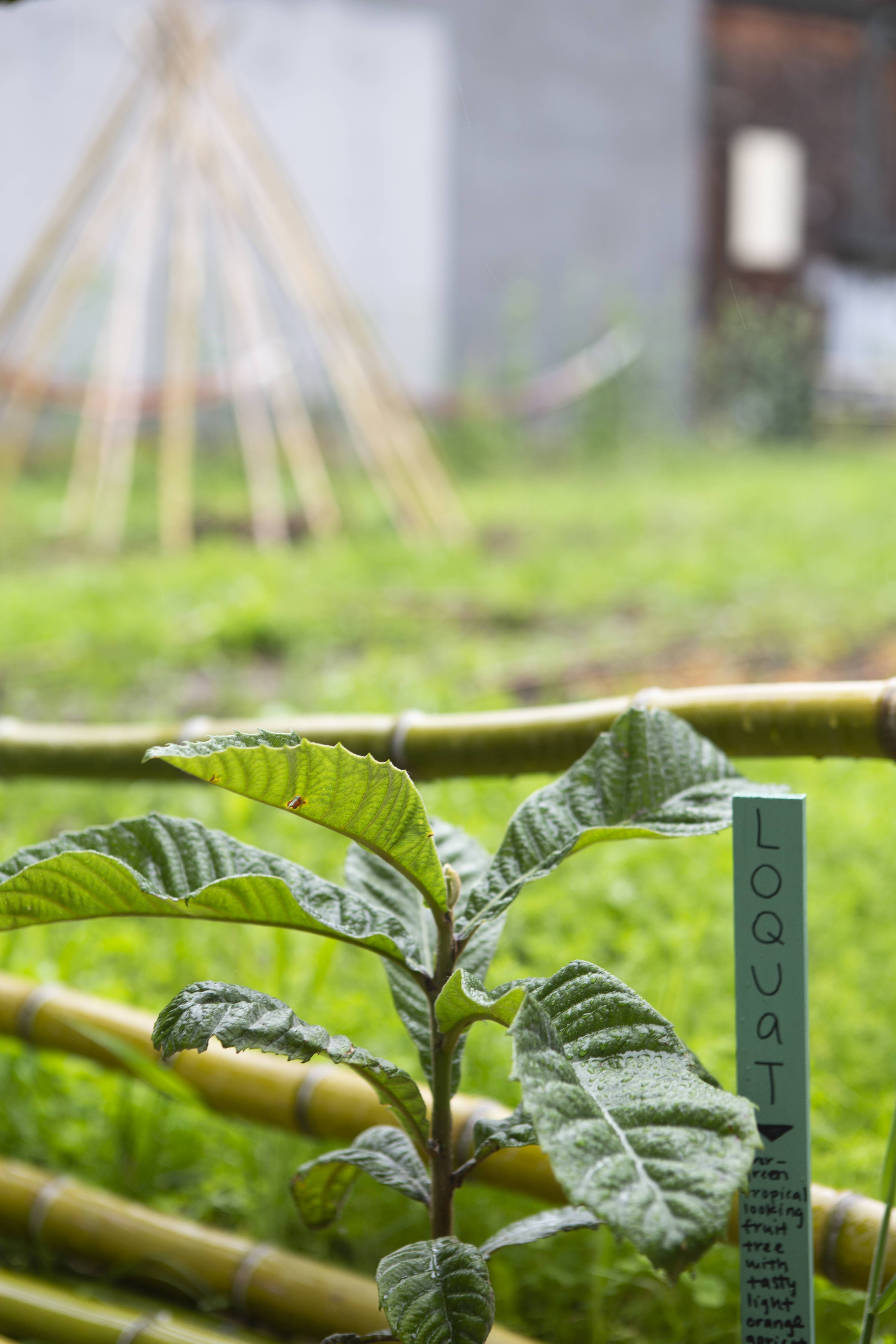
Oasis of Change will have a membership model where members will have access to classes, the garden, the restaurant, daycare, and be surrounded by a community of people, unlike anything I’ve witnessed in Portland. The fence bordering Williams will be covered with edible plants that anyone walking by can snack on.
Also, onsite there will be practitioners such as medical doctors, nutritionists, and therapists who rent practice space at an hourly rate. The ability to have a workspace without having to commit to an office lease contract allows flexibility for practitioners and less financial stress. As Dov explained, the traditional model of medicine puts up a medical wall between the practitioner and the patient/person. By getting rid of the medical practice model, the practitioner takes ownership/responsibility of their patient and can better serve the person, becoming more connected and understanding them better.
Plus we can look forward to some small retail spaces on the street side of the business and a market to sell farm-fresh produce and other nutritional food products.
The philosophy of Oasis of Change is to offer community supported health care in an environment where the joy of growing food from start to finish helps kids and adults alike appreciate the process and make eating healthy an adventure that will carry over for a lifetime.
This is a work in progress and plans are coming to fruition yet morphing at the same time. Stop by and see for yourself this healthy oasis and maybe it will help you affect the change you see in your own life. It truly is a way to escape the city and commune with nature and some wonderful people.
For more information stop by or visit their website:
Oasis of Change – 2037 N Williams
kathryn at oasisofchange dot com
301-467-8441
Tours offered Wednesday – Sunday 10am-5pm
Overcoming Oregon’s Past and Embracing Diversity
By Monique Gaskins
Summer is here! Portlanders can take advantage of the warmer weather to explore new parts of town and meet new people. While moving around Portland, you might notice posters supporting neighbors of various ethnic, racial, and religious backgrounds. Although this might seem unnecessary in “liberal Portland,” this wasn’t always the case. Starting before Oregon even achieved statehood, its inhabitants enacted various laws to preclude the immigration of non-white neighbors.
You may have overheard jokes about the lack of diversity in Oregon. For example, “There are no Black people in Portland.” Or, “You live in the Great White North.” You might have shaken your head and continued on, but the lack of diversity in Oregon is very real and isn’t due to chance. According to The US Census Bureau’s 2018 data, the percentage of Black residents nationwide is 13%. The percentage for the state of Oregon is 2%. The city of Portland is slightly higher, with 6% black residents.
The low number of black residents in Oregon is not an accident and is the outcome of over 150 years of exclusionary policies.
- 1844: The first Black exclusion law was adopted. This law mandated that “blacks attempting to settle in Oregon would be publicly whipped—thirty-nine lashes, repeated every six months—until they departed.”
- 1850: The Donation land act of 1850 granted land to white settlers, establishing home ownership specifically to whites. This offered an incentive for more whites to populate Oregon, and reap the benefits of land ownership.
- 1857: The Oregon Constitution was adopted. It excluded blacks from legal residence, including voting, using the legal system, and owning property.
After explicit race-based policies were unavailable, other methods were utilized to maintain the homogenous status quo. The Ku Klux Klan had an active presence in Oregon, targeting not only black but also Jews and Catholics. This preference towards white protestant neighbors led many neighborhoods and individual homeowners to add restrictive clauses to their deeds or neighborhood documentation. For example, a deed from neighboring Irvington (officially Dolph Park at the time) included the following, “For a period of twenty-five years from the date of this dedication, the premises shall be used exclusively for residence purposes and shall be occupied by the white race and no member of any race other than the white race shall own or occupy any portion of DOLPH PARK”. This practice, called Redlining, made it difficult to procure bank loans and housing insurance for homes in non-white neighborhoods. Redlining also meant that these homes weren’t providing as many wealth building opportunities to its owners as those in white neighborhoods.
These clauses and related attitudes consolidated non-protestant whites into specific areas of the city, such as Eliot. From 1910 to the 1960s, blacks began moving to Eliot because of its convenient location to transportation, railroad, and hotel jobs. After the end of World War II, Portland targeted Albina (including Eliot) as a suitable neighborhood for blacks who were displaced in the Vanport flood of 1948. According to an interactive redlining map of Portland from around 1930, the Eliot neighborhood ranked as “Hazardous”, the lowest of 4 possible categories. The clarifying remarks are, “Zoned multi-family residential and business. This area constitutes Portland’s “Melting Pot” and is the nearest approach to a “slum district” in the city. “Three-quarters of the Negro population of the city reside here and in addition there are some 300 Orientals, 1000 Southern Europeans and Russians.” These categories made it difficult to qualify for loans and home insurance in Eliot, but residents often didn’t have much choice, as they were unwelcome in other parts of the city.
Portland’s lukewarm approval of a multicultural neighborhood in the middle of the city wouldn’t last. In the 1960s, the I-5 construction destroyed parts of Eliot and displaced many black residents. In the early 1970s, the city condemned parts of Eliot – including the land purchased for Legacy Emanuel – further disrupting black families.
Today, housing in Portland is unaffordable for many people of all races, religions, and ethnicities. Let’s move beyond our history, and support policies that help all people feel more housing secure in our state, city, and neighborhood. A key to helping our neighborhood thrive is to allow diverse types of housing that would be more affordable to more people. Currently, much of Eliot is zoned for single-family homes, pushing up housing costs, and supporting a policy with racist roots. The Residential Infill Project aims to make housing more affordable by allowing more types of housing to be built in areas zoned for only single-family homes. Another resource is Portland for Everyone. They’re advocating for housing that will serve many different types of neighbors.
Let’s learn from past mistakes and embrace diversity. Let’s be good neighbors, especially for people that might not have historically been welcomed in Oregon.
Bountiful Produce and Community at Albina Cooperative Garden

By Kat Severi

It’s summertime now and the gardens are thriving here at Albina Cooperative Garden! We are a community based, urban farm located in the Eliot neighborhood on the corner of Russell Street and Vancouver Avenue. This large, organic gardening project produces impressive amounts of delicious produce every season here in the heart of NE Portland.
The flowers in our pollinator garden are in full bloom and the bees are doing their work, lettuce, chard, and arugula are fresh as can be, potatoes, tomatoes, peppers, eggplant, and basil plants are looking fantastic. We are so busy this time of year with crops growing bigger every day and even new seeds are being sown for the fall and winter harvest. Come by and say hello, we are often out in the sun (or rain), cultivating the soil that borders Legacy Emanuel Hospital who gifted this land to the Eliot neighborhood many years ago. Take a stroll through our thriving garden spaces, try a taste of some fresh sugar snap peas, bush beans, sweet peppers or luscious strawberries, maybe relax in the orchard and listen to the sounds of the many creatures that live here, bumblebees, butterfly wings, and bird songs.
Our members maintain this land for growing food and creating a living, green space in the center of the city. We educate citizens on sustainability and organic urban food production, we come together as a cooperative organization to share those values with our Eliot neighbors and our greater Portland community.
Interested in membership? All are welcome to share in the year-round bounty in trade for satisfying work and a small annual membership fee. Eliot neighbors that need financial assistance are welcome to join us through a generous scholarship fund gifted to you, the community by the Eliot Neighborhood Association, please do email us for the application at albinacooperativegarden at gmail dot com.
Visit our Instagram @albinacooperativegarden and Facebook page Albina Cooperative Garden for our garden events, membership signup or to find out how you can join the next Saturday work party.
Walk Williams Wednesdays… All Summer Long
By Dane Fredericks
Lace up your boots and bring a friend for Walk Williams, a summer party thrown by Williams and Vancouver businesses. Join us for free pedicab rides, live music, entertainers, pop-ups and prizes.
Pick up an event passport at participating businesses on each second Wednesday starting June through October from 4-8pm then eat, shop and play to earn three stickers and turn your passport in for automatic prizes like beer, chocolate or oysters. Each passport you submit is entered into our grand prize raffle, meaning you can play five Walk Williams, automatically win five monthly prizes and enter five times in the grand prize drawing.
August 14, September 11, October 9 from 4-8pm at participating Williams/Vancouver businesses. Prizes, participants and full event details at williamsdistrict.com/walkwilliams
Adopt-A-Block Update: More, Please
I’m writing to thank all those adopt-a-blockers who kept up the good fight and did their best to keep Eliot’s streets clean this past spring. Not easy dealing with the cold and wet, plus all the maneuvering between construction equipment that many of you are still enduring via our on-going sewer work. But you did your neighborhood proud!
Alas, there are still streets awaiting their loving adoption families… (so many still needed!) and we’d love to have you on board. If you’re willing to spend a few minutes a day, or a bit longer once or twice a week to improve the area you call home, please contact Jody at jodyguth at gmail dot com. I’ll get you set up with trash bags, gloves, pickers, and lots of encouragement. The added bonus is the drawing we hold every 3 months to determine who wins a $100.00 New Seasons gift certificate. Who doesn’t like to shop at New Seasons?!
I had the pleasure of recently drawing our current winner with my trusty pal, Adrian. The latest number was lucky 16, and the recipient none other than Sue Stringer, a gal who does so much for our community… congratulations, Sue!! Besides being the editor of our Eliot News newspaper, Sue finds time to be a member of the Friends of NE 7th Avenue Greenway committee, is on the Eliot neighborhood board and is one of the fabulous organizers the 7th Avenue block party fame (between Russell and Brazee). Sue is eager to join whatever she can to help make Eliot thrive. While also working a full-time job, I’m never sure how she finds the time to get it all done. We’re just so glad she lives here!
By Jody Guth
 Eliot Neighborhood